HRMS Software for the Education Sector: Managing Faculty and Staff
Educational institutions manage faculty, administrative staff and support teams across multiple departments. HRMS software can help centralise employee records, attendance, leave management, performance processes and HR reporting within a digital platform.
Visit: mhcognition.com/blogs/hrms-software-for-educati…
Staff-as-a-Service: Hire the Right Talent. Scale with Flexibility.
Scale your team without the overhead of traditional hiring. With Staff-as-a-Service, businesses can access skilled professionals across design, development, marketing, and SEO based on their evolving needs.
From dedicated designers and developers to digital marketers and SEO experts, MMB helps you find the right talent, maintain flexibility, and scale operations efficiently. Get the expertise you need, when you need it, and focus on growing your business.
🔗 Explore Staff-as-a-Service: makemybrandlabs.com/staff-as-a-service
StaffAsAService OnDemandTalent FlexibleTeams digitalmarketing businessgrowth MakeMyBrand
Multiple Tablet Holder for Modern Restaurant Counters
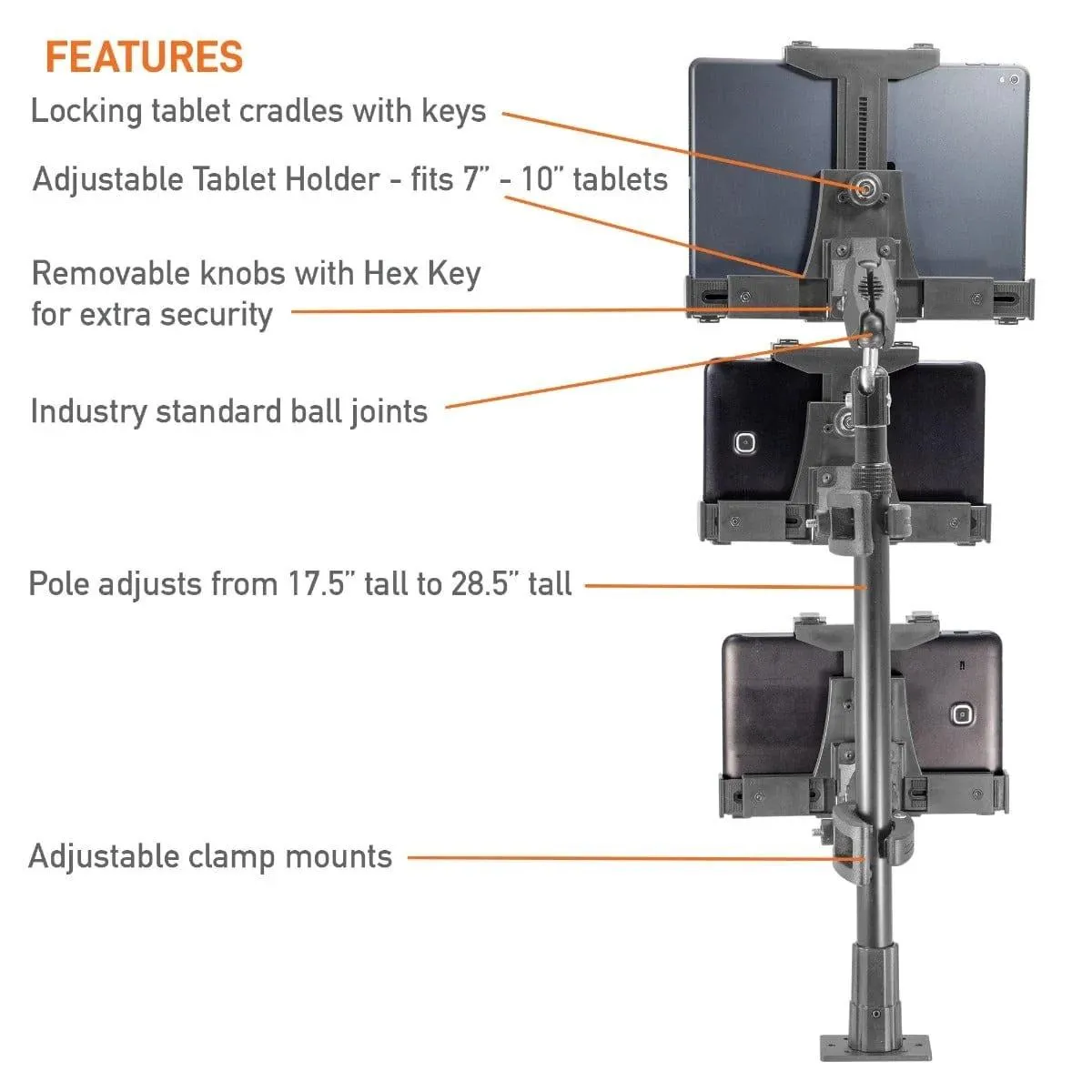
Modern restaurant counters often combine digital ordering systems, payment equipment, and staff-facing applications. A multiple tablet holder can help position multiple screens in a shared location for these activities. Having separate holders for individual tablets can make the counter arrangement easier to understand and maintain. When considering a multi-device installation, check the dimensions of each tablet, the required screen angles, and the amount of available space. A carefully selected holder can support a more structured equipment layout for everyday restaurant operations.
Visit us: iboltmounts.com/products/tablet-tower-multi-tab…
A good takeout experience starts before customers receive their food. It depends on how restaurants prepare orders, handle meals, pack items, and serve customers. Even small details can affect how people feel about their visit or delivery.
Restaurants can improve their service by following clear steps and paying attention to customer needs. Using suitable materials, such as custom printed kraft wrapping paper, can also help keep food covered and make orders look neat. When every part of the process is handled with care, customers can enjoy a smoother experience.
1. Understand What Customers Need
Every customer wants a simple and pleasant takeout experience. Some people want a quick lunch, while others may order meals for their families or groups.
Restaurants should make it easy for customers to understand the menu and choose their meals. Clear food descriptions, prices, and portion details can help prevent confusion.
Staff should also listen carefully to special requests. Asking the right questions can help reduce mistakes and make customers feel valued.
2. Keep Orders Accurate
Order mistakes can cause frustration, especially when customers are in a hurry. Missing items, wrong meals, or forgotten sauces can affect the whole experience.
Restaurants should create a simple order-checking process. Staff can review the receipt before preparing the meal and check the items again before packing.
For larger orders, separate labels can help identify each meal. This makes it easier for staff and customers to keep track of different items.
3. Prepare Food With Care
Food should be prepared in a clean and organized space. Staff should follow proper cooking and handling steps to maintain quality and safety.
Use fresh ingredients and follow the correct cooking times. Avoid leaving prepared food in unsuitable conditions while waiting for an order to be packed.
Restaurants should also make sure that each meal looks neat before it leaves the kitchen. Careful preparation helps customers enjoy the food as intended.
4. Choose Packaging That Fits the Food
Different foods need different types of packaging. A sandwich may need a simple wrap, while rice dishes and saucy meals need containers with secure lids.
The package should fit the food without pressing it or leaving too much empty space. Strong containers can help prevent damage during carrying and delivery.
Restaurants should also test packaging with their actual menu items. This helps them find options that handle heat, grease, and moisture properly.
5. Keep Food Clean and Protected
Clean packaging is an important part of good service. Food should be covered and protected from dust, dirt, and unnecessary contact.
Staff should use clean hands and work surfaces when packing orders. Packaging materials should be stored in dry and clean areas until needed.
Use food-safe materials that are suitable for each item. These simple steps can help protect meals and give customers more confidence in the restaurant.
6. Make Orders Easy to Carry
Customers may need to carry several food items at once. Packaging should make this task simple and comfortable.
Choose bags with strong handles and containers that close securely. Place heavy items at the bottom and keep lighter or delicate items separate.
Drinks and sauces should be packed carefully to reduce the risk of spills. A well-organized order is easier to carry and more convenient for customers.
7. Train Staff to Provide Friendly Service
The way staff speak to customers can shape their overall experience. A polite greeting, clear answers, and a helpful attitude can make a simple order feel more pleasant.
Restaurants should train workers to handle questions and complaints calmly. Staff should know how to explain delays and offer clear updates when an order takes longer than expected.
Good teamwork is also important. Kitchen workers, counter staff, and delivery workers should share information to keep orders moving smoothly.
8. Improve Waiting Times and Order Handover
Customers appreciate receiving their food at the expected time. Restaurants can improve waiting times by organizing kitchen tasks and giving staff clear duties.
Keep the pickup area clean and organized. Orders should be placed where staff can find them easily without mixing up customer names or order numbers.
Before handing over an order, check that the package is closed and all items are included. A careful handover can prevent problems after the customer leaves.
9. Use Feedback to Improve Service
Customer feedback can help restaurants find problems in their serving process. People may share concerns about waiting times, food temperature, packaging, or staff behavior.
Restaurants should review comments and look for common issues. If customers often report spills, for example, the business may need stronger containers or better packing methods.
Staff can also ask customers for simple feedback after an order. Taking useful suggestions seriously can help improve service over time.
Conclusion
Better serving practices can improve the takeout experience by making orders accurate, food safe, and service more convenient. Restaurants should focus on careful preparation, suitable packaging, friendly staff, and a smooth order handover. Regular training and customer feedback can also help businesses improve their daily service. Using suitable printed food paper can support clean food handling and neat presentation while helping restaurants create a more reliable experience for their customers.

Planning to Open a Private Security Agency? Your Practical PSARA License Guide
Starting a private security agency involves more than arranging staff and security equipment. Business owners must also understand the legal and regulatory requirements applicable to their operations. This PSARA License Guide helps applicants understand important aspects of the licensing process, including eligibility criteria, documentation, training requirements, application procedures, and state-specific compliance conditions.
Agile Regulatory provides professional guidance to entrepreneurs and security agency owners seeking assistance with PSARA registration. From understanding the applicable requirements to preparing supporting documents and navigating the application procedure, our team helps make the process more organised. Whether you are a first-time applicant or an existing agency planning to expand, the right compliance guidance can help you take informed steps.
Read more: agileregulatory.com/blogs/getting-your-psara-li…

nadiaglobal.sa/staffing-agency-in-abu-dhabi
Staffing Companies in Dubai Transforming Talent Acquisition
NADIA Global is a trusted staffing agency in Dubai and a reliable staffing agency in Abu Dhabi providing tailored hiring solutions for diverse industries. Enhance your workforce with top talent and connect with them today.
Source Reliable Business Devices Through Laptop Rental Dubai
Manage growing workloads, temporary staffing, corporate workshops, and project requirements without investing in new equipment. Laptop Rental Dubai from VRS Technologies LLC offers quality laptops, budget friendly rental plans, quick delivery, and dependable technical support. Contact +971564090907.
Visit us: vrscomputers.com/computer-rentals/laptop-rental…
laptoprentaldubai laptopsforrent laptoprentalindubai rentalaptop laptoponrent laptoprental laptopforrentindubai

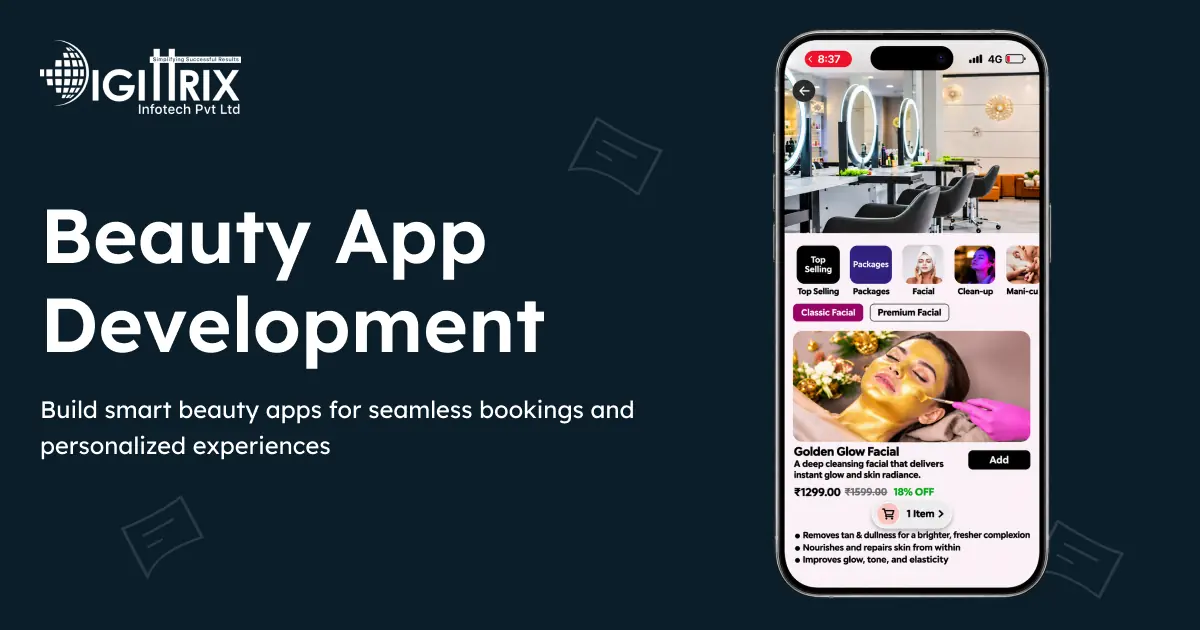
Beauty App Development: Keeping Branch Availability Separate From Shared Service Menus
Salon chains often use one service menu across several locations. Customers may see the same haircut, facial, manicure, or hair treatment at every branch. However, the availability of those services can differ from one location to another.
A branch may have trained professionals for advanced hair colouring, while another location may only offer basic hair services. Equipment, working hours, treatment rooms, and staff capacity can also vary.
If the booking system treats every branch as identical, customers may select services that a particular location cannot provide. A well-structured system should maintain shared service information while allowing each branch to manage its own availability.
Visit site: digittrix.com/beauty-app-development
Why Should Salon Chains Maintain a Shared Service Menu?
A shared service menu gives customers a consistent experience across different locations. It also helps salon owners manage service names, descriptions, categories, and standard pricing from one central system.
For example, a salon chain may offer:
Haircuts and styling.
Hair colouring.
Facials and skincare.
Manicure and pedicure.
Bridal makeup.
Hair spa treatments.
The central team can manage the main service catalogue. This avoids the need to create separate service records for every branch.
However, a shared menu should not automatically mean that every service is available at every location.
How Should Branch-Level Availability Work?
Each branch should have its own availability settings. These settings determine which services customers can book at that location.
Important branch-level details include:
Setting
Purpose
Available services
Services offered at the branch
Working hours
Daily opening and closing times
Staff allocation
Employees assigned to the location
Staff skills
Services each employee can perform
Equipment
Tools or facilities needed for treatments
Appointment capacity
Number of customers the branch can serve
Service duration
Time required for each service
For example, a premium skincare treatment may appear in the shared menu but remain unavailable at a branch that does not have the required equipment.
The booking system should check these settings before showing appointment slots.
How Can Customers Select the Correct Branch?
Customers should be able to choose a branch before viewing available appointments. The system can display relevant information such as location, address, opening hours, available services, and contact details.
After selecting a branch, customers should see only the services and time slots available at that location.
A useful booking process should follow this order:
Customer selects a salon branch.
System displays services available at that branch.
Customer chooses a service.
System checks staff skills and schedules.
Customer selects an available appointment time.
System displays the final booking details.
Customer confirms the appointment.
This process prevents customers from selecting unavailable services and reduces unnecessary calls to reception staff.
Should Branches Have Separate Prices?
Some salon chains maintain identical prices across all locations, while others adjust prices according to branch location, service demand, or operating costs.
The system should support the pricing policy selected by the business.
A central administrator may set standard prices for all branches. If the business permits local pricing, authorised branch managers should be able to update prices within defined limits.
The app should display the correct price after the customer selects a branch. It should also show any applicable taxes, additional charges, or promotional discounts before payment.
This avoids situations where customers see one price on the service menu but receive a different amount at checkout.
How Should the System Manage Staff Across Branches?
Staff availability should remain connected to the branch where employees work. A professional assigned to one location should not automatically appear as available at another location.
If an employee works across multiple branches, the system should record their assigned shifts and travel time where relevant.
For example, a stylist may work at the central branch on Monday and the second branch on Tuesday. The booking system should reflect these schedules separately.
Staff profiles should also include their service skills. This helps the platform recommend suitable professionals after a customer selects a service and location.
A structured Beauty App Development platform can connect the central service catalogue with branch-specific staff schedules, pricing, facilities, and appointment capacity.
How Can Central Administrators and Branch Managers Share Control?
A multi-branch salon system needs clear user permissions. Central administrators should manage information that applies to the entire business, while branch managers should handle local operations.
Central administrators can manage:
Shared service categories.
Standard service descriptions.
Brand-wide promotions.
Customer account policies.
General pricing rules.
Reporting across all branches.
Branch managers can manage:
Local staff schedules.
Branch opening hours.
Service availability.
Local appointment capacity.
Equipment availability.
Branch-specific operational updates.
Role-based access prevents unauthorised changes and keeps responsibilities clear.
Which Reports Help Multi-Branch Salon Owners?
Salon owners should be able to compare branch performance without mixing operational data.
Useful reports include:
Appointments by branch.
Revenue by location.
Popular services at each branch.
Staff utilisation.
Cancellation and no-show rates.
Customer repeat visits.
Branch-specific service demand.
Unavailable service requests.
These reports can help management identify locations that need additional staff, equipment, or changes to their service menus.
Final Words
A shared service catalogue combined with branch-specific availability gives salon chains better control over multi-location operations. Customers can view consistent service information while receiving accurate booking options for their chosen branch. Clear permissions, local staff schedules, and separate performance reports help each location operate according to its actual capacity.

How Digital Queue Management Can Improve the Customer Experience
Long waiting times can affect how customers perceive a business, even when the service itself is excellent. Customers may arrive without knowing how long they will wait, struggle to find the correct service counter or spend time standing in queues that could have been managed more efficiently.
For businesses that handle appointments, walk-ins or a combination of both, these challenges can also create operational pressure. Employees must manage arrivals, answer repeated questions and coordinate service availability while continuing their regular responsibilities.
Digital queue management offers a practical way to organise customer flow. By combining appointment scheduling, virtual queues and real-time updates, businesses can make waiting more predictable and service delivery more organised.
Why Traditional Queue Management Can Fall Short
Manual queue systems often depend on paper tokens, verbal instructions or employees coordinating customer arrivals. These methods may work for a small number of visitors, but become difficult to manage during busy periods.
Some common problems include:
Unclear waiting times: Customers do not know when they will be served.
Crowded waiting areas: Visitors may gather near service counters while waiting for their turn.
Uneven staff workloads: Employees may experience sudden increases in demand at particular counters or departments.
Missed appointments: Customers may arrive late or forget scheduled visits.
Limited operational visibility: Managers may not have reliable information about queue lengths, service delays or peak arrival periods.
A digital system can bring these activities into one coordinated process.
Essential Features of a Digital Queue Management System
An effective solution should make the process easier for both customers and employees. The most useful capabilities depend on the type of business, but several features are particularly valuable.
- Online Appointment Scheduling
Customers should be able to select an available date, time and service before arriving. Businesses can organise appointment slots according to staff availability, service duration and operating capacity.
Clear confirmation messages can communicate appointment details, location instructions and any preparation required.
For organisations that also accept walk-ins, appointment scheduling should work alongside an appropriate system for managing unscheduled visitors.
- Virtual Queue Registration
Instead of requiring customers to wait physically beside a service counter, a virtual queue can allow them to register through a website, mobile interface or on-site kiosk.
The system can issue a queue number and display the customer's current position. Notifications can then alert visitors when their turn is approaching.
This approach gives customers greater flexibility while helping businesses manage waiting areas more effectively.
- Real-Time Queue Updates
Waiting times can change when appointments run late, services take longer than expected or customer arrivals increase.
A digital queue system should make it possible for staff to update queue statuses and communicate relevant changes. Customers can receive notifications when delays occur instead of repeatedly asking employees for updates.
Businesses should present estimated waiting times carefully, making it clear when figures are approximate rather than guaranteed.
- Staff and Counter Management
Managers need visibility into which employees or service counters are available. A central dashboard can help teams assign customers, monitor active queues and identify service points experiencing delays.
The system should also allow authorised staff to pause a queue, transfer a customer or adjust availability when operational circumstances change.
Using Customer Search Behaviour to Improve Appointment Discovery
A well-organised appointment system is only useful when customers can find the service in the first place.
Businesses should make essential information easy to discover online, including service descriptions, appointment options, location details, opening hours and contact information. This is particularly important for organisations serving customers in specific geographical areas.
An effective digital presence can support this discovery process through Local SEO Services in Chicago, particularly when location-specific service information needs to be presented clearly and consistently.
Businesses should also structure their website content so search systems can understand what services are offered, who they are intended for and how customers can access them. Relevant AEO Services in Denver can support efforts to make business information clearer and more accessible across answer-oriented search experiences.
The goal is to connect discovery with a straightforward next step: booking an appointment or joining the appropriate queue.
Integrating Queue Management With Existing Business Systems
Digital queues often need to exchange information with other business applications.
For example, an appointment system may need to connect with a customer relationship management platform, payment application or internal service-management tool. These connections can help employees access relevant customer information without repeatedly entering the same details.
Integration planning should consider data accuracy, access permissions and what happens when a connected service becomes unavailable.
Businesses should collect only the customer information required to deliver the service. Personal details and appointment records should be protected through appropriate security measures and retention policies.
Measuring the Effectiveness of Digital Queues
After implementation, businesses should review whether the system is actually improving the customer experience.
Useful performance indicators include:
Average customer waiting time.
Average service completion time.
Number of missed appointments.
Queue abandonment rate.
Customer satisfaction feedback.
Peak demand periods.
Service volume handled by each counter or employee.
These measurements can reveal whether appointment slots need adjustment, additional staff are required during certain periods or particular services consistently take longer than expected.
Designing a System Customers Will Actually Use
Technology should simplify the customer journey rather than introduce additional steps.
Interfaces should use clear language, accessible layouts and straightforward registration processes. Customers who do not have smartphones or prefer in-person assistance should still have an alternative way to join a queue.
Businesses should also train employees to manage exceptions, assist customers who encounter difficulties and keep queue information accurate throughout the day.
Before launching across every location, organisations can test the system at one service point and gather feedback from customers and staff.
Making Waiting More Predictable
Digital queue management cannot eliminate every delay, but it can make customer flow easier to understand and manage. Appointment scheduling, virtual registration, real-time updates and operational reporting provide businesses with better tools for coordinating service delivery.
For organisations exploring improvements to their digital operations, Brandstory Global offers a broader perspective on how digital strategy and technology development can support more effective customer experiences.
When designed around real customer needs and daily operational requirements, a digital queue system can turn an uncertain waiting process into a more organised and transparent service experience.

Healthcare Cybersecurity Best Practices: When Protecting Data Means Protecting Care
Healthcare cybersecurity is now a patient safety issue. When systems go down, surgeries are delayed and clinicians lose access to vital records. Key best practices: use multi-factor authentication, encrypt patient data, segment networks, patch regularly, train staff against phishing, test backups, and rehearse incident response. Don't forget vendor risk. Learn more from - ciente.io/blogs/healthcare-cybersecurity
Fire Door Ethiopia – Fire Doors for Warehouses and Logistics Hubs
Warehouses and logistics hubs concentrate stock, equipment and people under one roof, and a fire in such a space can spread quickly and cause heavy losses. For teams sourcing a fire door Ethiopia facilities can rely on, the focus is on protecting escape routes, separating high-risk areas and keeping operations running. This guide covers the key considerations.
Why Fire Doors Are Important for Buildings in Ethiopia
Fire doors are a core element of passive fire protection. They help contain flames, heat and smoke within defined compartments, which supports safe evacuation and gives emergency responders more manageable conditions.
In storage and distribution buildings, that containment also protects inventory, machinery and business continuity. A fire confined to one zone is far less disruptive than one that crosses the whole site.
Where Fire Doors Are Needed in Warehouse Facilities
Large open buildings still contain areas that call for fire-rated separation. Typical locations include:
Offices and staff areas within or beside the warehouse
Plant rooms, boiler rooms and electrical rooms
Stairwells and escape corridors
Dividing walls between storage zones
Areas used for charging equipment or storing higher-risk goods
Industrial fire doors are commonly specified for these openings, while commercial fire doors often serve the office and administrative sections of the same facility.
Choosing the Right Fire Door in Ethiopia for Industrial Use
Warehouse conditions are demanding, so selection should reflect daily use:
Fire-resistance rating: Match the rating to the requirement set by the building’s fire strategy.
Durability: Impact from trolleys, forklifts and heavy traffic can damage doors and hardware, so robust construction matters.
Environment: Dust, humidity and temperature variation can affect materials and moving parts.
Complete assembly: Frames, seals, hinges and closers should be specified together as one tested system.
Operation: Doors must close and latch reliably, and should never be wedged open for convenience.
Regulations: Confirm applicable local requirements with the relevant authorities and your fire safety consultant, and request test and certification documents for the exact product proposed.
Planning, Installation and Upkeep
Coordinate door locations early with architects, contractors and operations managers so that traffic flows, racking layouts and escape routes work together. Use trained installers, and set up a routine inspection schedule covering closers, seals, hinges and any damage. Prompt repairs keep fire resistant doors dependable over time.
Finding Suitable Fire Door Suppliers in Ethiopia
When comparing fire door suppliers in Ethiopia for logistics projects, ask about product specifications, test and certification documents, delivery lead times for larger quantities, installation guidance and technical support. Clear, product-specific answers are a good indicator of a reliable supplier.
Explore Fire Door Solutions from Airmaster Emirates
Airmaster Emirates supplies HVAC and building-related products to international clients. Buyers researching fire door Ethiopia options for warehouse and industrial projects can visit the fire door Ethiopia page to review product information and send an enquiry. Verify specifications and documentation against your project requirements before ordering.
Conclusion
Selecting the right fire door in Ethiopia for a warehouse or logistics hub means balancing rating, durability, installation and ongoing maintenance. A considered approach protects people, stock and operations. Explore the available fire protection solutions and consult qualified fire safety professionals before finalising your selection.

Multiple Tablet Holder for Delivery Order Management
Restaurants that receive orders through multiple delivery platforms often need more than one tablet at the same workstation. A multiple tablet holder helps bring these devices together instead of spreading them across limited counter space. The iBOLT Tablet Tower features three individual locking holders designed for compatible tablets measuring approximately 7 to 10 inches, depending on the device and its dimensions. Adjustable viewing angles help staff check order details and notifications more easily. The fixed drill-base design supports a dedicated installation for businesses that want a consistent location for their delivery management devices and other daily digital operations.
Drug License Consultant: Simplify Your Licensing Process
Starting a pharmaceutical business often involves understanding licensing requirements, documentation, premises conditions, and application procedures. A Drug License Consultant can help applicants identify the appropriate license category based on whether they plan to operate a retail, wholesale, or manufacturing business. Applicants may need business registration documents, premises proof, technical staff details, storage information, and other records required by the relevant authority. Since requirements can differ according to the state and type of activity, checking the applicable procedure before filing is important. Agile Regulatory provides documentation assistance, application support, and procedural guidance, helping pharmaceutical businesses organize their licensing requirements and address common documentation-related issues during the application process.
Read more: agileregulatory.com/blogs/best-drug-license-con…
How to Choose an Offshore Staffing Partner for Your Mortgage Broking Business
Choosing an offshore staffing partner for an Australian mortgage broking business requires more than comparing monthly fees. Brokers should assess each provider’s understanding of mortgage workflows, recruitment process, information security, onboarding, ongoing training, HR and IT support, performance management and long-term operational support. It is also important to confirm how client information and system access are protected, what is included in the monthly fee and who handles issues after placement. A provider should recruit for the specific role, support the team member as they learn the brokerage’s systems and processes, and offer clear communication and development pathways. Comparing these areas can help mortgage brokers understand the full service model and find a provider that aligns with their operational requirements.
How to Choose an Offshore Staffing Partner for Your Mortgage Broking Business
Find Convenient Laptop Rental in Dubai for Every Project
Equip employees, training teams, and event staff with reliable technology without the expense of purchasing devices. Laptop Rental in Dubai from VRS Technologies LLC includes quality laptops, flexible rental packages, timely delivery, and technical assistance. Contact +971564090907.
Visit us: vrscomputers.com/computer-rentals/laptop-rental…
laptoprentaldubai laptopsforrent laptoprentalindubai rentalaptop laptoponrent laptoprental laptopforrentindubai

How Medical Practices Can Improve Their Insurance Appeal Success Process
An insurance appeal process works best when staff understand why a claim was denied and what the payer needs to reconsider it. Sending the same documents repeatedly is not a strategy. Practices should distinguish appeals from corrected claims, build focused evidence packets, and monitor deadlines and outcomes. A consistent process helps teams learn from decisions and prevent avoidable repeat denials without promising that every appeal will succeed.
Start by identifying the actual denial reason
Read the payer explanation and distinguish clinical review from missing information. For managers, The strongest control is a documented process that distinguishes an expected difference from a genuine error. For insurance appeal process, this step gives the team a specific record to check before making a billing decision.
Check whether a corrected claim is more appropriate than a formal appeal. For a practical review, The useful question is whether each claim has a traceable next step, not whether a report merely shows it as open. The practical test is whether another staff member could repeat the check using the same information.
Confirm the deadline and submission channel for that plan. During daily review, A staff member should be able to point to the source record behind the decision rather than rely on memory. Keep the outcome with the start by identifying the actual denial reason record so later follow-up does not begin from scratch.
Consider a routine case involving insurance appeal process: read the payer explanation and distinguish clinical review from missing information. If the next step is unclear, check whether a corrected claim is more appropriate than a formal appeal. A supervisor can then check whether the final record also reflects this control: confirm the deadline and submission channel for that plan. This creates an observable process rather than an undocumented assumption.
Build an appeal packet that answers the issue
Include claim identifiers, dates, relevant policy language, and supporting records. For a practical review, The useful question is whether each claim has a traceable next step, not whether a report merely shows it as open. For insurance appeal process, this step gives the team a specific record to check before making a billing decision.
A practice can assign this review internally or coordinate with medical billing company when it needs support with insurance appeal process, claim follow-up, and the related billing work queue.
Explain the specific reason the original decision should be reconsidered. During daily review, A staff member should be able to point to the source record behind the decision rather than rely on memory. The practical test is whether another staff member could repeat the check using the same information.
Avoid sending unrelated chart pages that make the issue harder to review. In a busy practice, The exception is easier to resolve when the team records the payer, date, account, and exact outstanding question. Keep the outcome with the build an appeal packet that answers the issue record so later follow-up does not begin from scratch.
Consider a routine case involving insurance appeal process: include claim identifiers, dates,
Create a repeatable appeal workflow
Assign a reviewer who can verify coding and documentation before submission. During daily review, A staff member should be able to point to the source record behind the decision rather than rely on memory. For insurance appeal process, this step gives the team a specific record to check before making a billing decision.
Track appeal levels, submission proof, and payer correspondence. In a busy practice, The exception is easier to resolve when the team records the payer, date, account, and exact outstanding question. The practical test is whether another staff member could repeat the check using the same information.
Set reminders for responses and escalation steps. Before closing a case, A quick check against the original request or remittance can reveal whether the action solved the actual problem. Keep the outcome with the create a repeatable appeal workflow record so later follow-up does not begin from scratch.
Consider a routine case involving insurance appeal process: assign a reviewer who
Review results without confusing metrics
Separate overturned denials from partial payments and procedural closures. In a busy practice, The exception is easier to resolve when the team records the payer, date, account, and exact outstanding question. For insurance appeal process, this step gives the team a specific record to check before making a billing decision.
Track appeal outcomes by payer and denial category. Before closing a case, A quick check against the original request or remittance can reveal whether the action solved the actual problem. The practical test is whether another staff member could repeat the check using the same information.
Investigate patterns where strong documentation still leads to repeat denials. For managers, The strongest control is a documented process that distinguishes an expected difference from a genuine error. Keep the outcome with the review results without confusing metrics record so later follow-up does not begin from scratch.
Consider a routine case involving insurance appeal process: separate overturned denials from
Prevent the same denial before the next claim
Share appeal findings with registration, coding, and authorization staff. Before closing a case, A quick check against the original request or remittance can reveal whether the action solved the actual problem. For insurance appeal process, this step gives the team a specific record to check before making a billing decision.
Update claim edits only when a validated pattern supports the change. For managers, The strongest control is a documented process that distinguishes an expected difference from a genuine error. The practical test is whether another staff member could repeat the check using the same information.
Use payer feedback to improve future submissions rather than appealing everything. For a practical review, The useful question is whether each claim has a traceable next step, not whether a report merely shows it as open. Keep the outcome with the prevent the same denial before the next claim record so later follow-up does not begin from scratch.
Consider a routine case involving insurance appeal process: share appeal findings with
Conclusion
Insurance appeal process is most useful when staff can explain what was checked, which record supports the decision, and who owns the next action. The practical steps above connect daily billing work to better oversight without assuming that every payer or account follows the same path. Practice managers should start with one recurring exception, test the proposed control on real accounts, and review whether the result is easier to trace. Over time, a clear process for insurance appeal process can support more accurate reporting, fewer avoidable handoffs, and better conversations with patients and payers.
Frequently Asked Questions (FAQs)
What should an insurance appeal include?
It should identify the claim, denial reason, requested reconsideration, and relevant supporting evidence.
Is every denied claim an appeal?
No. Some issues are better resolved with a corrected claim or missing-information response.
How should appeal deadlines be tracked?
Record payer-specific due dates, submission proof, and follow-up responsibilities.
Does an appeal guarantee payment?
No. The payer reviews the evidence under the applicable terms and rules.
How Arcade Gaming Can Make Shopping Malls More Enjoyable
Shopping malls are no longer just places to purchase products. Many visitors also look for dining, entertainment, family activities, and opportunities to spend quality time together. Adding an arcade gaming zone can help malls offer a more engaging experience and give customers another reason to visit.
A well-planned arcade can appeal to children, teenagers, young adults, and families. With the right combination of games and a convenient location, it can become a valuable addition to a mall's entertainment options.
1. Give Visitors More Reasons to Stay
Customers often visit shopping malls for specific purchases, meals, or errands. An arcade introduces an additional activity that can encourage visitors to spend more time exploring the property.
Families may combine shopping with gaming, while groups of friends can enjoy friendly competitions between other activities. This creates opportunities for malls to become destinations for leisure as well as retail.
The key is to provide games that are easy to understand, enjoyable for different age groups, and suitable for short visits or longer entertainment sessions.
2. Create an Attraction for Families
Families frequently look for activities that children and adults can enjoy together. An arcade can provide a shared entertainment experience without requiring visitors to leave the mall.
When selecting Arcade Game Machines in Jaipur, businesses should consider the interests of their expected audience. Racing games, basketball challenges, air hockey, and interactive games can offer different experiences within one space.
A balanced selection helps accommodate visitors with different preferences and encourages family members to participate rather than simply watch.
3. Make Use of Available Commercial Space
Some malls have areas that could benefit from a more engaging purpose. Depending on the property's layout, an arcade can make use of suitable spaces near food courts, cinema areas, or other leisure facilities.
However, the location should be selected carefully. Visitors need enough room to move between machines, wait comfortably, and access entrances without obstruction.
Before installing equipment, assess the available floor area, electrical requirements, ventilation, visibility, and noise levels. A practical layout can help the gaming zone operate smoothly without disturbing neighbouring businesses.
4. Offer Entertainment for Different Age Groups
A successful mall arcade should not depend on one type of game. Children may enjoy colourful interactive games, teenagers may prefer competitive challenges, and adults may appreciate racing simulators or sports-based activities.
Consider creating sections based on gameplay style or space requirements. Multiplayer games can encourage social interaction, while individual games provide options for visitors who prefer independent play.
Regularly reviewing customer preferences can help operators identify popular categories and determine whether additional games would improve the experience.

5. Choose Equipment That Supports Reliable Operations
Equipment quality is important in a busy shopping mall, where machines may be used by many visitors throughout the day. Frequent breakdowns can lead to customer complaints and lost playing opportunities.
When researching Arcade Game Machine Suppliers in Kochi, compare machine durability, warranty terms, installation services, spare-part availability, and ongoing technical support.
Ask suppliers about maintenance requirements and the suitability of their equipment for commercial environments with frequent use. These details help operators make informed purchasing decisions.
Reliable machines also allow staff to spend less time managing avoidable faults and more time assisting customers.
6. Improve the Experience Through Events
Arcade gaming zones can offer more than everyday gameplay. Small events and themed activities can make the space feel active and give visitors new reasons to return.
Possible activities include:
- Weekend gaming challenges.
- Friendly racing or sports competitions.
- School holiday entertainment.
- Family gaming sessions.
- Seasonal promotions and special events.
Events should be planned according to available space, staff capacity, and customer demand. Clear rules and organised queues help ensure that activities remain enjoyable for participants and other visitors.
7. Build Connections With Nearby Businesses
An arcade can complement other mall facilities, including restaurants, cafés, cinemas, and family-oriented retail stores. Operators may explore joint promotions where both businesses benefit.
For example, a family entertainment offer could combine gaming credits with a meal deal, subject to agreement between participating businesses. Such initiatives can introduce customers to other facilities and make a mall visit feel more complete.
Promotions should be easy to understand, and their performance should be reviewed to determine whether they attract additional customers.
8. Keep the Gaming Zone Clean and Welcoming
The appearance of an arcade affects how visitors perceive the overall experience. Regular cleaning, well-maintained machines, visible pricing, and helpful staff can make the area more inviting.
Ensure that controls and screens are cleaned routinely, walkways remain clear, and faulty machines are taken out of service until repaired. Staff should be available to explain game instructions and assist with payment issues.
Customer feedback can also reveal opportunities to improve seating, game selection, signage, and the general layout.
Conclusion
Arcade gaming can help shopping malls offer a more varied and enjoyable visitor experience. By providing family-friendly entertainment, selecting suitable equipment, organising the space effectively, and maintaining reliable machines, operators can create a gaming zone that complements the mall's other attractions.
The strongest results come from understanding visitor needs and designing an experience that fits naturally into the wider shopping and leisure environment.