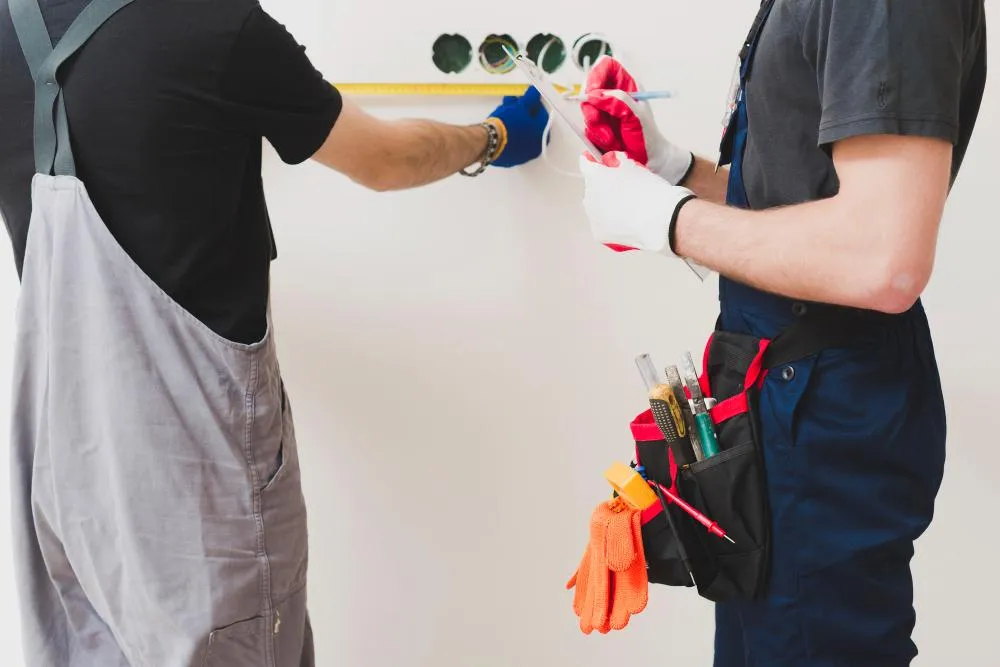
What Is Included in the Flat Rate of a 4-Hour General Handyman Service?
Every home has that list. A closet door that sticks, a towel bar that wobbles, a light fixture you keep meaning to swap, a cabinet hinge that sags a little more each month. None of these jobs is big enough to call a contractor for, but together they wear on you. A flat-rate block of time is built for exactly this situation. You pay one price, a skilled person arrives, and the list gets shorter.
But what does that price actually cover? Let’s go through it plainly, so nothing surprises you when the job is done.
The Idea Behind a Flat Rate
Our 4-Hour General Handyman Service is designed to provide quick, reliable, and professional support for a wide range of home repair and maintenance needs. Whether you need minor fixes, furniture assembly, fixture installation, or other urgent tasks handled efficiently, our experienced team arrives ready to get the job done right. With Insta Service, you can count on fast response times and dependable workmanship, making it easier to keep your home in top condition without the hassle.
Most repair work is billed by the task, and small tasks are hard to price fairly. A flat rate works differently. You buy a fixed window of a professional’s time, and the price stays the same whether you fit in two jobs or twelve.
That is the whole appeal. You don’t have to guess how long each fix will take, and you don’t have to watch the clock with a knot in your stomach. If you book a block of four hours, you know the cost before anyone steps through the door.
Skilled Labor for the Full Window
The biggest part of the price is the labor itself. You are paying for a trained person’s hands, judgment, and experience for the whole block. In most cases that means:
Four continuous hours of work on your list
Someone who can switch between different trades without a learning curve, such as carpentry, light plumbing, and basic electrical swaps
On-the-spot decisions about the best way to fix something, so you aren’t left holding a vague recommendation
Travel to your address is usually folded into the rate as well, though it’s smart to confirm this when you book. A good handyperson also spends a few minutes at the start walking through your list and planning the order of work, and that time normally counts as part of the visit.
Tools and Equipment
You shouldn’t have to dig through your garage or borrow a neighbor’s drill. A standard flat rate includes the everyday tools needed for general repairs:
Cordless drills and drivers
Hammers, levels, stud finders, and tape measures
Pliers, wrenches, and screwdriver sets
Utility knives, caulk guns, and putty knives
Ladders for normal household heights
Drop cloths and basic protective gear
Specialty equipment is a different story. A tile saw, a pressure washer, or scaffolding is rarely part of a general visit. If your job needs one of those, say so ahead of time.
Small Supplies and Basic Hardware
Many people assume that “materials” means everything, so this is where expectations most often drift. Typically, the flat rate covers the small, low-cost items that a handyperson keeps in the truck:
Screws, nails, anchors, and wall plugs
Wood glue, caulk, and sealant for minor touch-ups
Felt pads, door stoppers, and similar small fittings
Electrical tape and wire nuts
Larger items are usually billed at cost or supplied by you. That includes a new faucet, a replacement door handle, a ceiling fan, a mirror, or a box of paint. If you pick these up beforehand, the visit runs smoother and the clock is spent on installation instead of a store run.
The Kinds of Jobs That Fit Well
Four hours goes further than most people expect. Here are jobs that commonly fit inside a single visit:
Hanging shelves, curtain rods, mirrors, and framed art
Mounting a TV bracket
Fixing squeaky or sticking doors and adjusting hinges
Replacing cabinet handles and knobs
Patching small drywall holes and doing light touch-up painting
Swapping light fixtures, switches, and outlet covers
Caulking around tubs, sinks, and windows
Fixing a running toilet or a dripping faucet
Assembling flat-pack furniture
Installing child-safety latches or grab bars
A rough rule of thumb is that small and medium tasks take 20 to 60 minutes each. So a list of five to eight items is realistic.
Cleanup After the Work
Nobody wants sawdust on the carpet after a shelf install. Cleanup of the work area is generally part of the package. That means wiping down surfaces, vacuuming debris created by the job, and hauling away packaging or scrap from the repairs. Disposal of large items, like an old door or a broken appliance, is another matter and may carry a separate fee.
What Is Usually Not Included
Being honest about limits makes everything easier. Here is what typically sits outside a general flat rate:
Licensed trade work. Rewiring a panel, moving gas lines, or relocating plumbing normally calls for a licensed electrician or plumber.
Permit-required projects. Structural changes, new circuits, and major remodeling fall here.
Large material purchases. Lumber, flooring, tile, and fixtures are paid for separately.
Hazardous conditions. Mold remediation, asbestos, and similar problems need specialists.
Work beyond the booked time. If your list runs past four hours, the extra time is usually billed at an hourly add-on rate, or you can book a second visit.
If you aren’t sure whether a job qualifies, ask before the visit. A quick photo or description often settles the question.
How to Get the Most From Your Four Hours
A little preparation turns a good visit into a great one. Here is what seasoned homeowners do:
Write the list the night before. Put the most important jobs at the top so they get done first.
Take photos. A picture of a leaking valve or a cracked tile lets the pro bring the right parts.
Buy the big items in advance. Have the new faucet, fan, or handle ready.
Clear the workspace. Move furniture and rugs away from the areas being repaired.
Be home, or arrange access. Delays at the door eat into your time.
Group similar tasks. Jobs in the same room are done faster than jobs scattered around the house.
Why a Fixed Price Works So Well
Open-ended hourly billing can make people hesitate to call. They hold off on small repairs until those repairs become bigger and costlier. A fixed price removes that hesitation. You can plan your budget, tackle several small things together, and avoid the stress of an invoice that grew while you weren’t looking.
It’s also practical for landlords, property managers, and anyone preparing a home for sale. One scheduled visit can clear a whole punch list before a showing or a tenant move-in. For a booking that is clear from the start, Insta Service is one option worth looking at, and the same advice applies to any provider you choose: ask what the rate covers before you confirm.
Frequently Asked Questions
Does the flat rate change if I finish early?
Usually not. The price is for the booked block. If your list is short, ask the pro whether anything else around the house could use attention while they are there.
Can I split the four hours across different days?
Some providers allow it, but many require the full block in one visit because setup and travel make split visits inefficient. Check the policy at booking.
Do I need to buy the materials myself?
For small parts like screws and anchors, no. For larger items such as fixtures, hardware sets, or paint, you either buy them yourself or have the provider pick them up and bill you at cost.
What happens if a job takes longer than expected?
A good handyperson will tell you as soon as they see it. You can drop that job, swap it for something shorter, or pay for extra time if the provider offers it.
Is the work guaranteed?
Many professionals stand behind their repairs for a set period, often 30 to 90 days. Ask for the terms in writing so you know what is covered.
Are plumbing and electrical jobs allowed?
Minor ones are, such as replacing a faucet, fixing a running toilet, or swapping a switch or fixture. Anything that involves new lines, panel work, or permits needs a licensed specialist.
Should I tip?
It’s never required, but it is a kind gesture after a smooth, well-done visit. A thank-you and a good review also mean a lot to small service teams.
What should I do before the pro arrives?
Share your list and photos, clear the work areas, and have any purchased materials ready. The more prepared you are, the more you’ll cross off.
Final Thoughts
A flat rate is simple when you know what’s inside it: skilled labor, standard tools, everyday supplies, and a tidy finish. Large materials, licensed trades, and overtime sit outside it. If you walk in with a clear list and realistic expectations, four hours can change how your home feels. Doors close, shelves hold, and the small stuff stops nagging at you.